How to Train for Your First Spartan Race: Complete Beginner’s Guide
 Mike Deibler
This guide breaks down exactly what you need to know to train effectively for your first Spartan Race and build the confidence to crush it on race day
How to Train for Your First Spartan Race: Complete Beginner’s Guide
Training for your first Spartan Race can feel overwhelming, especially if you’re not sure where to start. Between the running, strength, obstacles, and fueling strategies, there’s a lot to prepare for—but with the right plan, your first OCR (Obstacle Course Race) can be an incredibly rewarding experience.
This guide breaks down exactly what you need to know to train effectively for your first Spartan Race (really any OCR) and build the confidence to crush it on race day.
What to Expect in Your First Spartan Race
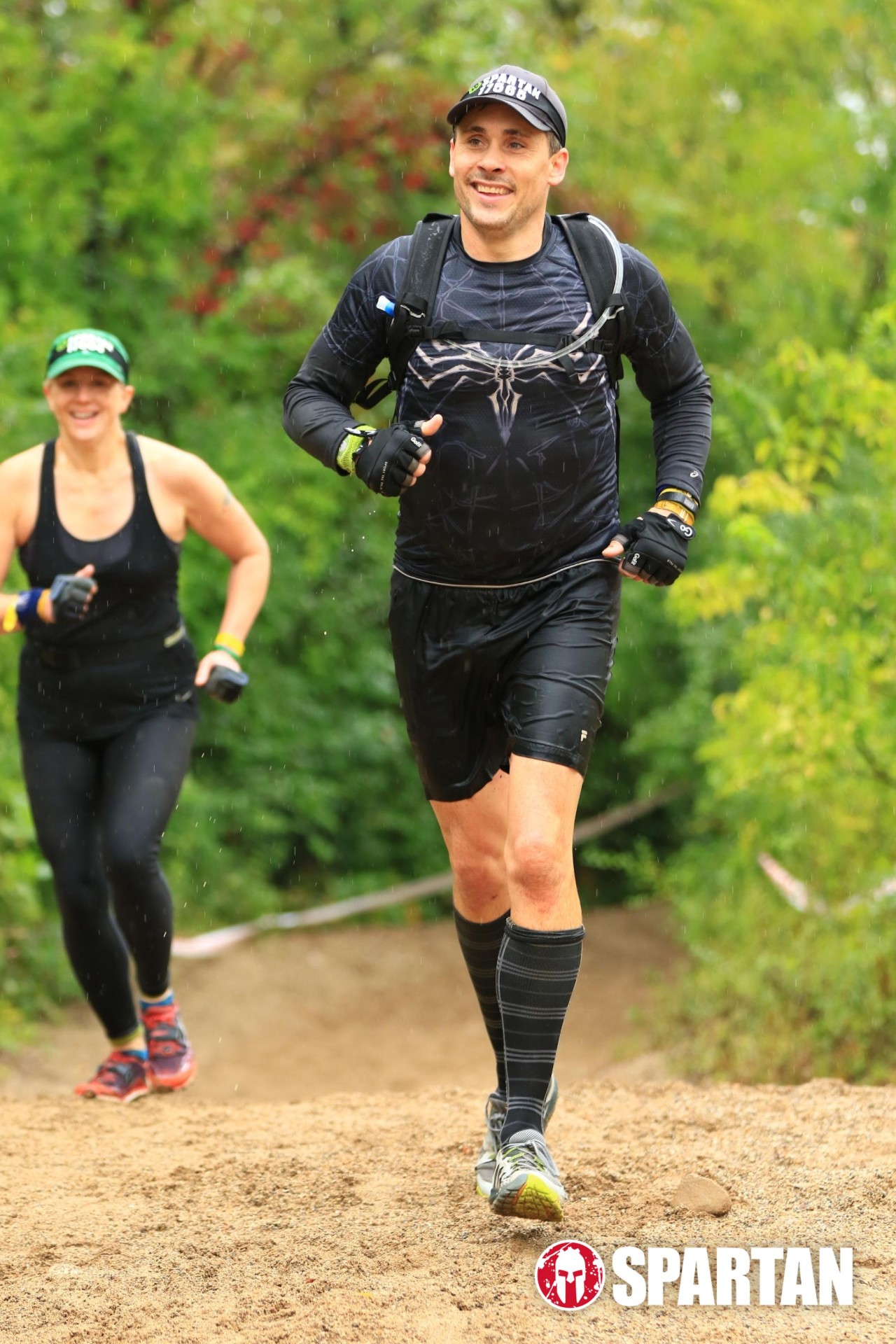
Spartan Races combine trail running with obstacles like walls, carries, crawls, rope climbs, and grip challenges. You don’t have to master everything right away—your goal is to build balanced fitness across:
-
Running/endurance
-
Functional strength
-
Grip and upper-body conditioning
-
Technical obstacle skills
-
Smart fueling and recovery habits
Really the goal of your first race is not to master all of these. You want to get there an just experience it. You want to have fun. But to do those things you want to have some success, so it is important you are as prepared as you can be. Let look into each of these areas a little deeper.
1. Build a Smart Running Base for Spartan Races
Running/hiking makes up the majority of any OCR. This includes shorter distances, such as a Sprint. If you are not prepared to run or at least be on your feet for a while, it might really effect your ability to complete obstacles or even finish the race.
Your running program should be composed of different types of runs. To keep it simple you will want to include lower intensity runs to help build an aerobic base and get some miles under your belt. You will also want to include tempo runs which are moderate to higher intensity runs at around the pace you could maintain for the distance you are competing in. And finally, when appropriate you will perform intervals. These will help improve your VO2 max and get you running at faster than normal paces.
You probably don't want to do all three every week, but a good combination of these throughout your program will be important.
2. Strength Training for Spartan Races: What Actually Matters
OCR Strength = Functional Strength. Not body building. If you are following a strength workout that divides the body up like chest day, back day, leg day, etc. you are following the wrong type of training.
You will want to complete 2-3 total body functional strength training workouts per week.
Instead of muscles focus on movements such as:
- Squatting - Goblet Squats
- Lunging - Walking Lunges
- Lifting - Deadlifts
- Pushing - Push Ups
- Pulling - Pull Ups or hangs
- Carrying - Farmer Carries
- Core - Planks
Master the basics to build strength to complete more obstacles and make your body more resilient.
3. Add Tactical OCR Workouts to Mimic Race Conditions
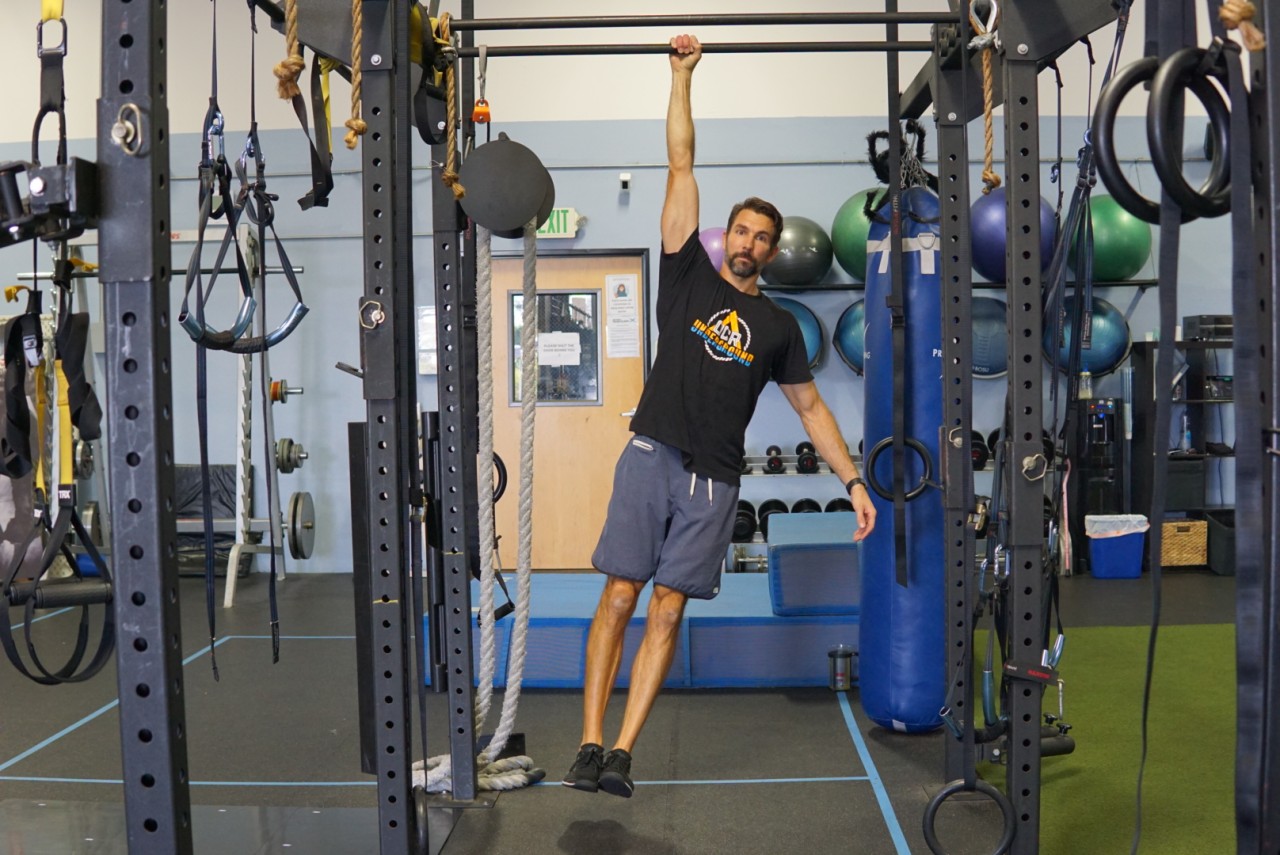
Tactical OCR sessions blend running and obstacles the same way they appear in a race, preparing your body for constant transitions.
The goal of these workouts are to train for skills needed to complete common obstacles, but also an opportunity to work on pacing, transitions between runs and obstacles, as well as fatigue management.
These workouts will be the most intense so you won't want to use them for every workout, but they should be a regular part of your training.
A sample workout might be:
- Run 400m
- Dead Hang x 30sec
- Sandbag Carry x 1 min
- 15 Burpees
- Repeat for 2-3 Rounds
4. Train Grip Strength—Your Secret OCR Advantage
Adequate grip strength is critical for many of the obstacles that will be in the race. Lack of grip strength is often the reason beginners fail obstacles like monkey bars, rigs, and rope climbs.
In your strength and tactical workouts it will be important to include things like:
- Hangs
- Towel or Rope hangs
- Farmer Carries
- Plate pinches
- Sandbag Holds
Just a few exercise a week will go a long way. Just be careful not too do too much. Overtraining grip is often the cause of issues like elbow pain.
5. Recovery Strategies for First-Time Spartan Racers
Most beginners underestimate recovery. The workout stimulate growth, but proper recovery is what leads to actual adaptations. Plus it is how you will stay resilient so you can train more often at higher intensities.
In the beginning it is important to take time to work on some common recovery methods.
Essential recovery practices:
-
7–8 hours of sleep
-
Hydration and post-workout fueling
-
Mobility + low-intensity movement
-
At least one full rest day weekly
-
Planned deloads to help give the body a break
A smart recovery plan keeps you training without burnout.
6. Nutrition Tips for Your First Spartan Race
Fueling affects energy, endurance, hydration, and overall performance.
Beginner OCR nutrition tips:
-
Eat a balanced pre-race meal 2–3 hours before
-
Hydrate sufficiently in the days leading up to your race, not just race day
-
Practice using gels or carbs on longer training runs
-
Learn which foods your stomach tolerates
-
Don’t experiment with new foods or drinks on race day
Proper nutrition gives beginners a huge advantage.
7. How to Practice Common Spartan Race Obstacles
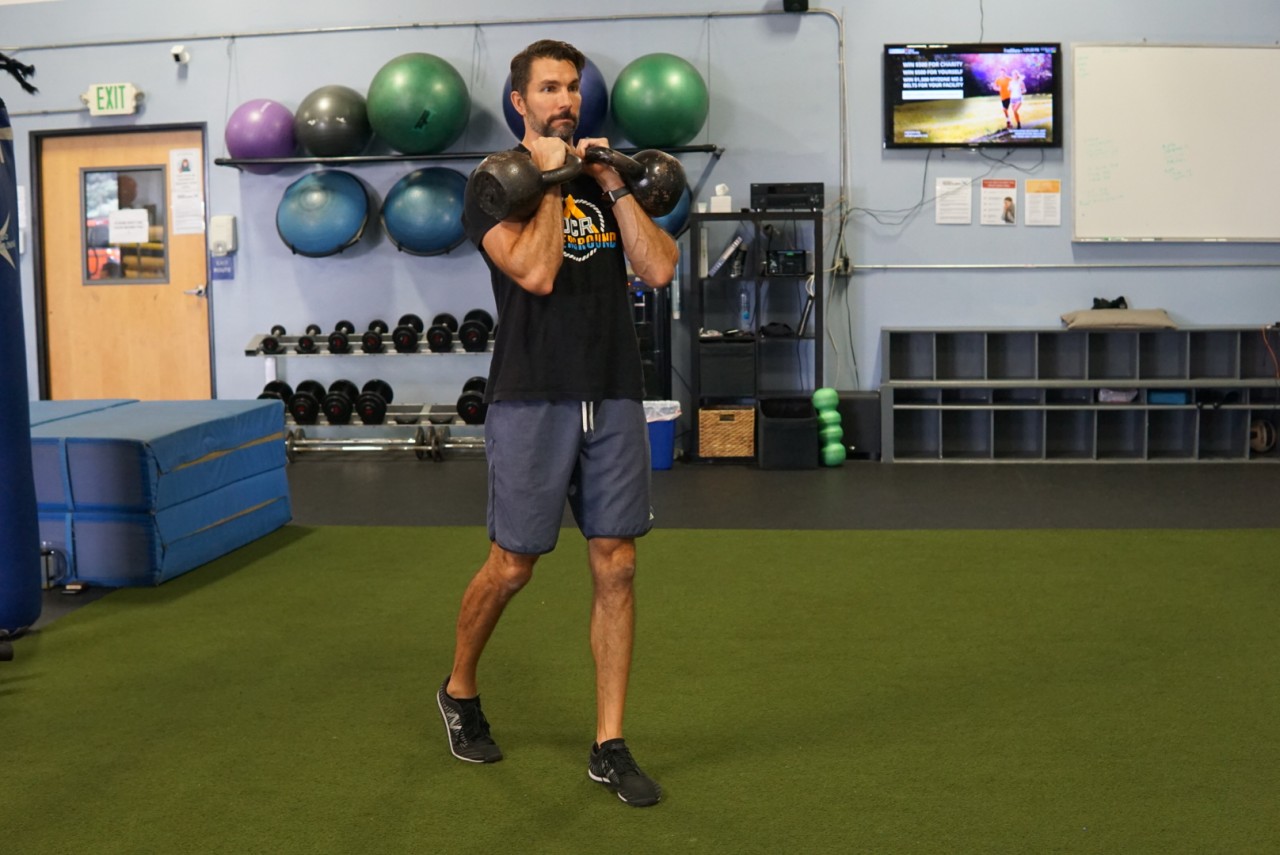
You don’t need access to an obstacle course to train effectively. Of course if you have access to walls, monkey bars, etc. it is a good idea to practice on them.
Train the movement behind the obstacle:
-
Walls: box jumps/step-ups, hip drive work
-
Monkey bars/rigs: hangs and pull ups
-
Rope climbs: rope pulls, leg-lock drills
-
Bucket/sandbag carries: loaded carries
-
Crawls: bear crawls, core stability drills
The goal is confidence—not perfection.
Putting Your Training Plan Together
A strong beginner Spartan Race training plan should include:
-
2–3 running sessions
-
2–3 strength sessions
-
1 tactical OCR session
-
Weekly grip work
-
Structured recovery + fueling strategies
The right balance of each will give you exactly what you need for race day success.
Want a Complete 90-Day Spartan Race Training Program?
If you want a done-for-you plan that includes weekly strength training, running workouts, tactical sessions, obstacle prep, recovery lessons, and nutrition coaching, you may want to check out my Fuel & Fire Elites 90-Day Spartan Race Program.
I built this program with Registered Dietitian Anne L’Heureux specifically for first-time OCR athletes who want structure, confidence, and expert guidance—without the guesswork.
It’s affordable, beginner-friendly, and gives you everything you need to prepare for race day the smart way.
If you're serious about completing your first Spartan Race strong, this is the simplest path to get there.
======>Check out the program here<======
Categories: : Beginner Guide, OCR Training