The DEKA Zones Explained: Pacing, Strategy & Mistakes to Avoid
 Mike Deibler
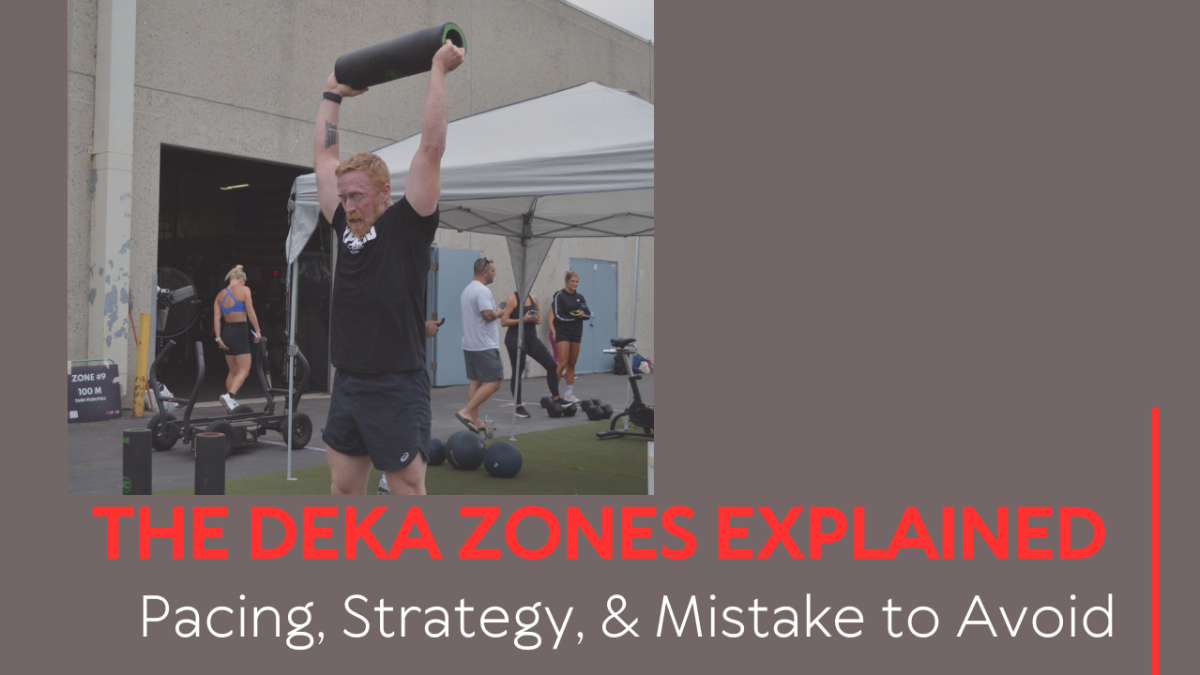
DEKA performance is not only based on your fitness but your skill and efficiency. This guide helps you develop a plan to take on your next race.
DEKA events are a great way to test your fitness. The more fitness you develop the better you typically will do in an event. But one key aspect of training experienced racers focus on isn't just fitness.
When you have an understanding of each zone in terms of pacing, technique, and overall strategy you give yourself a huge advantage. This is often the difference between a personal best and being disappointed with your finish.
While there are slight differences in zones between the DEKA MILE/STRONG and FIT, below is a breakdown of all 10 DEKA zones that you would see in the MILE and STRONG specifically. But these principles will carry over to the FIT as well.
The Zones: Your Complete Strategy Guide
ZONE 1 |
Pacing Target: Steady, rhythmic pace — control each rep and stay relaxed Pro Tip: Control your adrenaline. It is easy to overdo it out of the gate. Stay relaxed and with a good rhythm to get going. Common Mistake: Collapsing to the ground versus lowering down. Go fast but don't lose control. Crashing to the ground makes it harder and wastes energy to get back up. |
| Zone 2 500m Row | Pacing Target: Sustainable aerobic pace. Shoot for 25-30 strokes per minute. Pro Tip: Create an efficient pull with better sequencing. Start with the leg drive, then lean, and finish with the arm pull. Common Mistake: Not finishing the pull before the recovery. Make sure you bring the handles to the chest fully before pulling the seat back in. |
| Zone 3 20 Box Step Overs | Pacing Target: Controlled steady tempo. Find a rhythm in your steps that you feel comfortable stepping up and down with. Pro Tip: Move laterally and stay low. Be efficient and keep your hips as close to the box as you can. You should notice your head height stays fairly level as you travel. Common Mistake: Not turning on the step down. When you step down don't lose time by having to turn around. Rotate as you step down so you are staying lateral or facing the box. |
| Zone 4 25 MB Sit Ups | Pacing Target: As fast as you can control. Get through this zone as quickly as possible. Pro Tip: Use the bounce to help drive the movement in each direction. Slam the ball don't just touch the ground. Common Mistake: Don't slow down. This is likely the easiest zone so don't get caught here for too long. |
| Zone 5 500m Ski Erg | Pacing Target: Sustainable aerobic pace. Fast but under control. Pro Tip: Drive with your hips and let your lats do the work, not just your arms. Pull from overhead in a smooth arc, hinging at the hips. Keep your core braced throughout. Common Mistake: Pulling only with your arms and ignoring your lower body. This turns the ski erg into an arm exercise and leads to premature shoulder fatigue. |
| Zone 6 100m Farmer Carry | Pacing Target: Brisk, controlled walking — urgency without sloppiness. Pro Tip: Think about moving your feet quickly and engaging your lats. Grip will be a factor, so use your bigger lat muscles to help support the weight. Common Mistake: Don't let the weight control you. Move fast but stay in control. Keep your shoulders engaged to avoid the weights moving side to side. |
| Zone 7 25 Calorie Assault Bike | Pacing Target: Hard but controlled effort. Pacing does not have to stay constant, but can't take a break here. It will be hard no matter what. Pro Tip: Push and pull the handles. Don't rely just on the legs. Use both upper and lower body efforts to keep the bike moving. Common Mistake: Going all-out from the start. The assault bike punishes athletes who spike too early. Find your gear in the first 5 calories and build from there. |
| Zone 8 20 MB Shoulder Toss | Pacing Target: Steady rhythmic pacing Pro Tip: Use the stepping method to save on time. Start with one foot behind the ball. Pick it up and step as you drop it over your shoulder. Common Mistake: Over using the arms. Drive the movement from the ground up and keep the core engaged to lift the ball to the shoulder. |
| Zone 9 100m Tank Push Pull | Pacing Target: Hardest sustainable pace. The tanks only go so fast, so don't waste energy trying to push any harder. Pro Tip: Drive your feet into the ground when pushing and use your body weight by leaning back to pull. Common Mistake: Dropping the handles. Keep the handles in your hands the entire time. Don't waste time having to reaching and pick them up after you push. |
| Zone 10 20 RAM Burpees | Pacing Target: Grit test. Either power through and finish strong or break the burpees up with short breaks (ie, 4 sets of 5 reps) Pro Tip: Keep the feet wide and use the hips to throw the weight overhead. Don't rely only on the arms. Common Mistake: Don't waste too much energy bringing the weight down. Aggressively pull the RAM to the floor each rep (under control) so gravity helps. |
The Big Picture
There are many strategies you can use for technique and pacing. But having a plan is a huge advantage. Not all races will go according to plan, but the more you compete the better you learn your strengths and weaknesses.
In your training, experiment with different strategies to see what works for you. But don't wait until race day and wing. Have a plan and train for success.
If you need more help with putting together your training plan check out this post on how to avoid plateaus and this post on how to build a better hybrid engine.
Want to Train Specifically for Every Zone?
Strategy only gets you so far. If your fitness hasn't been built for the specific demands of DEKA — the combination of aerobic endurance, functional strength, and the ability to sustain effort across all 10 zones — knowing the strategy won't be enough.
That's what the 12-Week DEKA Performance Program from OCR Underground is designed to do. It's a progressive, periodized training system that builds your fitness from the ground up, with dedicated zone-specific video lessons covering everything you just read above — and then some.
For $59, you get 12 full weeks of programming, 5 workouts per week, zone breakdown video lessons, and coaching support every step of the way.
Stop guessing. Start training with a plan built for DEKA.
Categories: : DEKA, Hybrid Training